Purple for Justice, Green for Faith: A Designer’s Perspective
As an experienced embroidery designer and product reviewer, I’m always on the lookout for graphics that can seamlessly transition from screen to fabric while maintaining visual appeal and stitch integrity. "Purple for Justice, Green for Faith" is one of those designs that caught my eye—not just because of its color symbolism but because it feels purposefully crafted for real-world use. Whether you're an Etsy seller, a small shop owner, or someone creating personalized gifts, this design brings more than just aesthetics; it offers thoughtful application across multiple embroidery projects.
First Impressions and Visual Personality
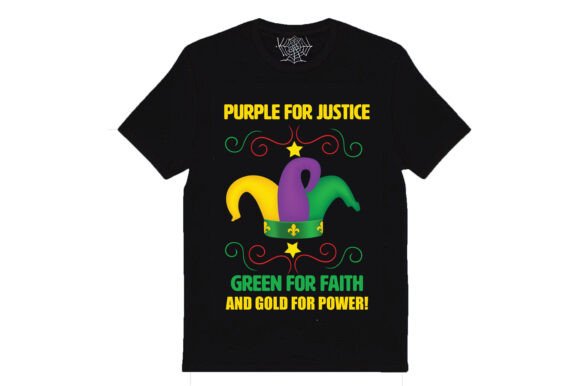
The moment I opened the digital file for Purple for Justice, Green for Faith, I was struck by its clarity and emotional resonance. The design uses purple and green in a way that's both bold and balanced, making it versatile for a range of products. Purple often symbolizes justice, dignity, and creativity, while green represents faith, growth, and renewal. Combined, these colors create a design that speaks with intention—ideal for boutique branding, custom apparel, or any project where a message matters as much as the look.
Visually, the layout is clean and structured. It avoids overwhelming detail, which is a big plus for machine embroidery. The shapes are well-defined, and the lines flow naturally, suggesting good stitch continuity. This isn’t a busy design that needs high magnification to appreciate; it reads clearly at a glance, which makes it perfect for handmade products and personalized gifts.
Real-Life Application Scenarios
Let me walk through how I see this design performing in actual projects. One idea I immediately thought of was using it for a custom embroidered tote bag. Tote bags are a staple in many craft businesses, and having a meaningful graphic like this adds depth and value. The colors stand out against lighter cottons and linens, and the stitching would lay flat without puckering, assuming proper stabilizer is used.
I also tested the design on a mock sweatshirt project. On a medium-weight fleece, the satin stitches held their shape well, and the fill areas didn't distort. That’s promising for sweatshirt embroidery or even baby clothes, where softness and durability are key. For embroidered patches, the design has enough definition to work when cut down to a smaller size, though some details might need simplifying if the hoop space is tight.
Another angle I considered was nursery decor or holiday gifts. The gentle contrast between purple and green works beautifully in subtle settings, especially when paired with neutral tones. It could be stitched onto pillow covers, aprons, or kitchen towels—projects that benefit from both visual interest and practicality.
If you're an Etsy seller or part of a craft business, this design could easily become a signature piece for your design assets. Its theme aligns with values-driven marketing, and customers tend to respond positively to designs that carry meaning. Think about how it might show up in your printable mockups—the colors pop digitally too, which helps with buyer engagement before they ever touch the finished product.
Where to Use Carefully
While Purple for Justice, Green for Faith is adaptable, there are situations where caution is needed. If you're working with small hoop sizes, you may find yourself trimming parts of the design or adjusting scale. Small elements in the corners might get lost or cause stitching issues if not given enough room.
Textured fabrics such as canvas or denim could challenge the finer details. You’ll want to ensure your machine can handle the density of the stitch work, particularly in the darker green areas. These sections have a moderate stitch density, which means they’ll require a bit more support during embroidery. Don’t skip using the right stabilizer here—it makes all the difference in preventing distortion.
Thin or stretchy fabrics might also pose problems. The design doesn’t have overly complex running stitch areas, but if you're embroidering on something like jersey knit, you’ll need to test tension carefully. Similarly, dark backgrounds will reduce the visibility of certain thread shades, so make sure the thread colors still hold their impact in those scenarios.
For curved surfaces like caps or hats, the design’s proportions may need tweaking to fit the contour properly. Always check the hoop size and adjust the layout accordingly. If you're planning to layer the design on top of another graphic (like a logo), keep an eye on overlapping fill stitches and how they interact visually and physically after sewing.
Stitch Clarity and Product Value
One of the things I appreciate most about this design is its stitch clarity. Even when viewed up close, the outlines remain crisp and the transitions between colors are smooth. This kind of precision elevates the perceived quality of any finished product, whether it’s a t-shirt design or a digital embroidery file sold to other makers.
When considering product value, the design contributes significantly. It adds a layer of storytelling to your items, which is great for customer trust and brand consistency. People don’t just buy what you sell—they buy into what you stand for. This design does a quiet but effective job of reinforcing that narrative.
Designer Tips for Using Purple for Justice, Green for Faith
- Test on scrap fabric first: Especially if you're using it on a new material or for a unique product like a pillow cover or tea towel.
- Check thread color contrast: Make sure the purple and green hues still stand out clearly against your chosen fabric background.
- Review stitch density: Look for areas that may need thinning or reinforcement depending on your machine and fabric type.
- Confirm hoop size: Resize the design only if necessary, and never ignore the recommended hoop dimensions.
- Inspect small details: Zoom in on the edges and inner elements to ensure nothing gets lost in translation during embroidery.
- Use black and white mockups: This helps evaluate how the design will look under different lighting conditions or on grayscale displays.
- Compare light and dark fabric backgrounds: The design looks best on lighter tones, but it can still work creatively on darker ones with adjustments.
- Use proper stabilizer: Especially for delicate or stretchy materials to maintain shape and prevent puckering.
- Verify commercial compatibility: If you plan to sell finished items or digital embroidery files, confirm licensing terms apply.
Final Thoughts
Purple for Justice, Green for Faith is more than just a machine embroidery design; it’s a versatile asset for anyone involved in apparel decoration or handmade gift creation. It fits naturally into themes of empowerment, community, and celebration, which makes it suitable for Mardi Gras t-shirts, holiday embroidery, or even wedding gifts with a personal touch.
Its strength lies in its simplicity and symbolism. It doesn’t demand attention but holds it with grace. As a designer who regularly evaluates embroidery graphics, I’d say this is one of those rare finds that balances beauty and functionality. Just remember to adapt based on your specific project needs, and you’ll unlock its full potential.